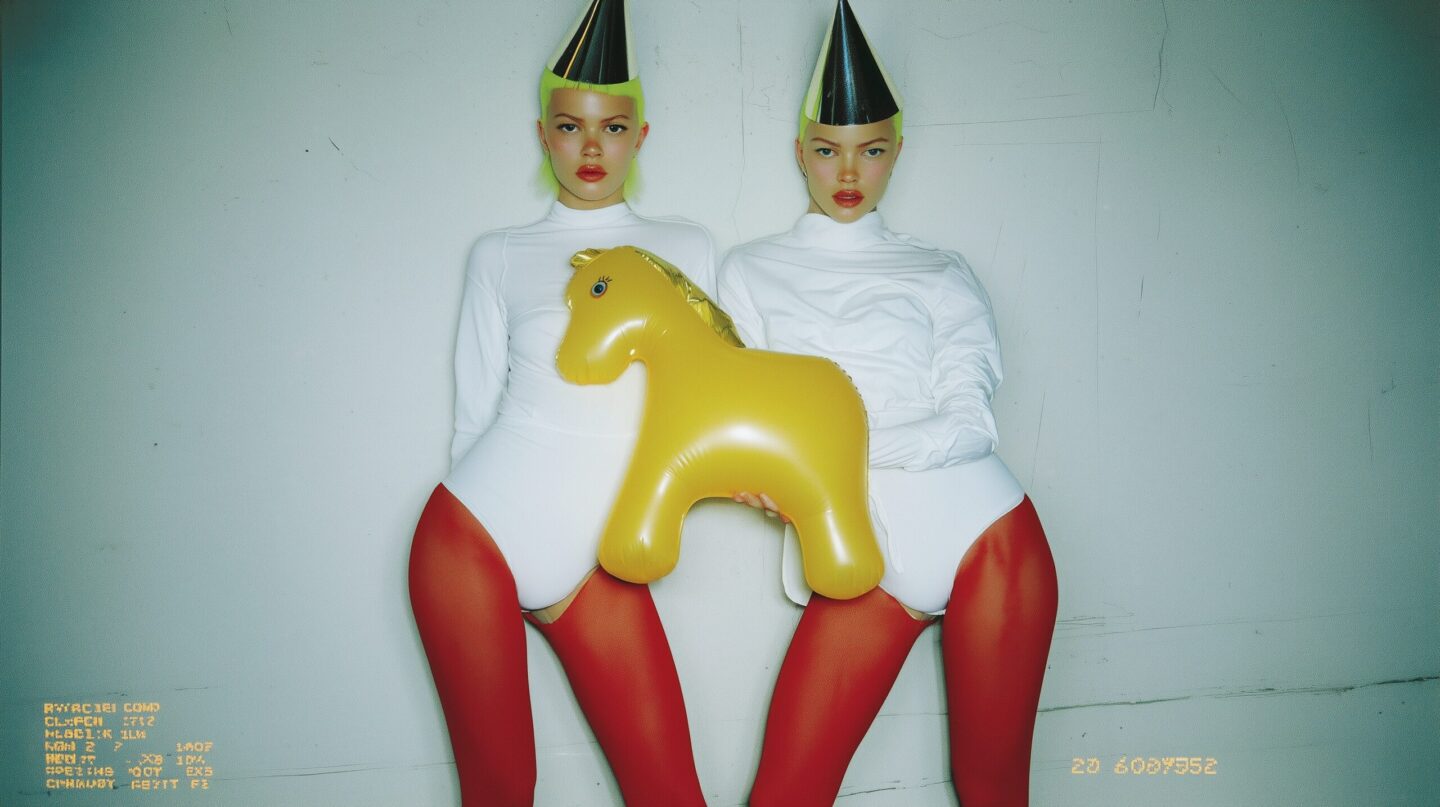
The first time I saw my face returned to me by the machine, I felt a small, impolite thrill. It was not quite me. The jawline had been tidied, the lighting was more forgiving than the bathroom mirror, and there was a faint cinematic haze that belonged to a world with larger budgets. Yet the image was close enough that I could not simply reject it as fiction. I was looking at a version of myself that had swallowed every photo I had ever fed it and answered: Here. This is who you are. I began to understand the avatar less as a portrait and more as a site, a little ethnographic territory where my own habits meet the internet’s.
To say that women are used to being looked at is already a cliché, but clichés are often low budget theories that hide something useful inside them. The difference with the AI avatar is that, this time, the gaze is partly mine. I trained it. I selected the images. I rejected the ones where the nose looked wrong or the mouth felt cruel. The curation had the feel of a daily rite: offering, correction, deletion, re-offering. The machine learned my preferences, and then I learned them back through what it gave me. The observer and the observed began to fold into one another in a way that felt less like control and more like a feedback loop. And then there was the third party: the platform that rewards certain faces, certain moods, certain degrees of legibility, turning aesthetic choice into a kind of behavioral training.
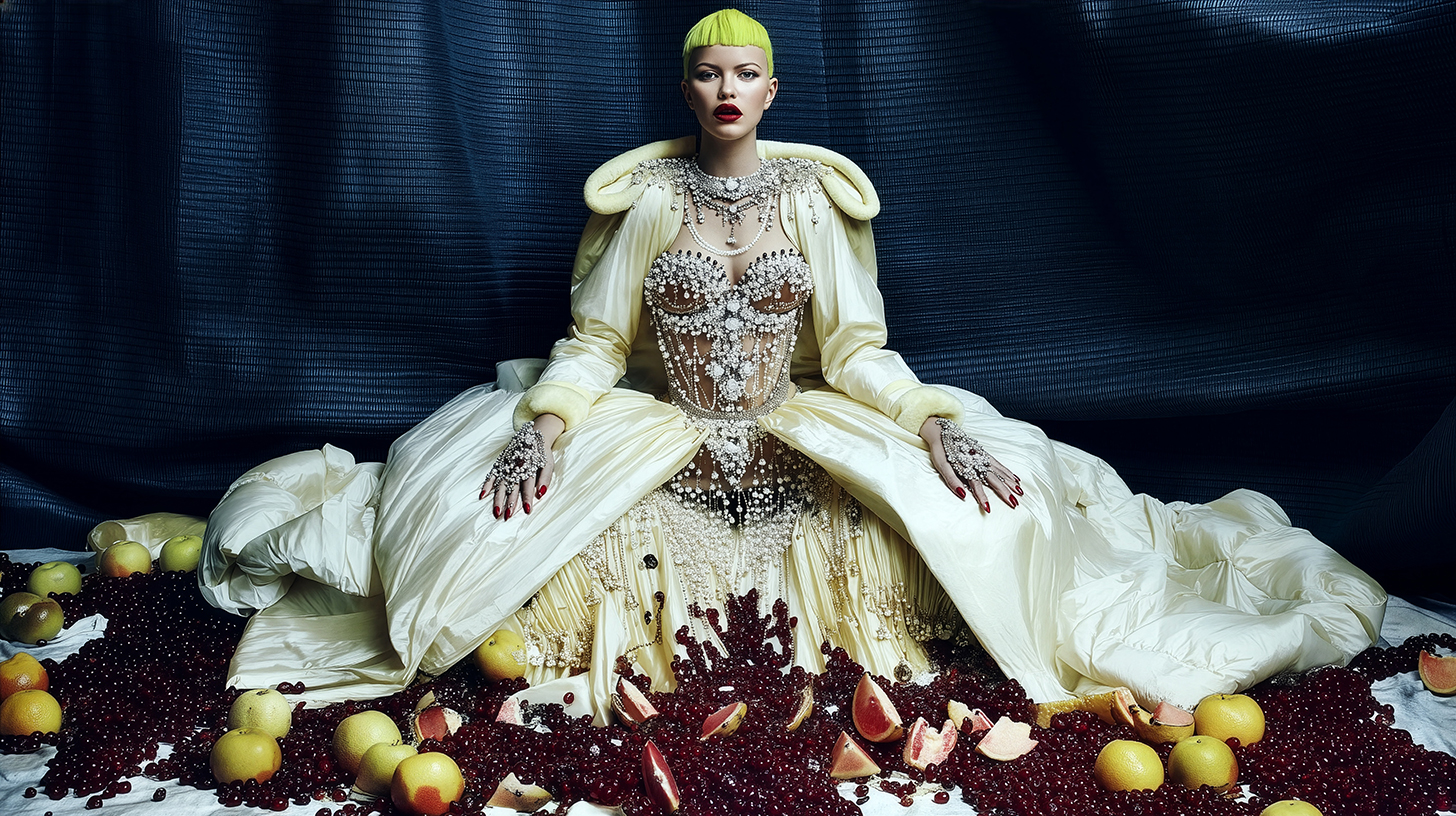
If a woman is already accustomed to being an image for others, what does it mean when she begins to generate her own image at industrial scale. Not one photograph, taken on a particular afternoon by a particular person, but hundreds of almost-me’s: taller, calmer, more symmetrical. At what point does the avatar stop being a study of the self and become the self that the world will insist on reading as true. And why does that prospect feel both seductive and vaguely murderous.
Lately I’ve started to treat these images the way an anthropologist treats artifacts, except the artifact is not the picture, it’s the reaction around it.
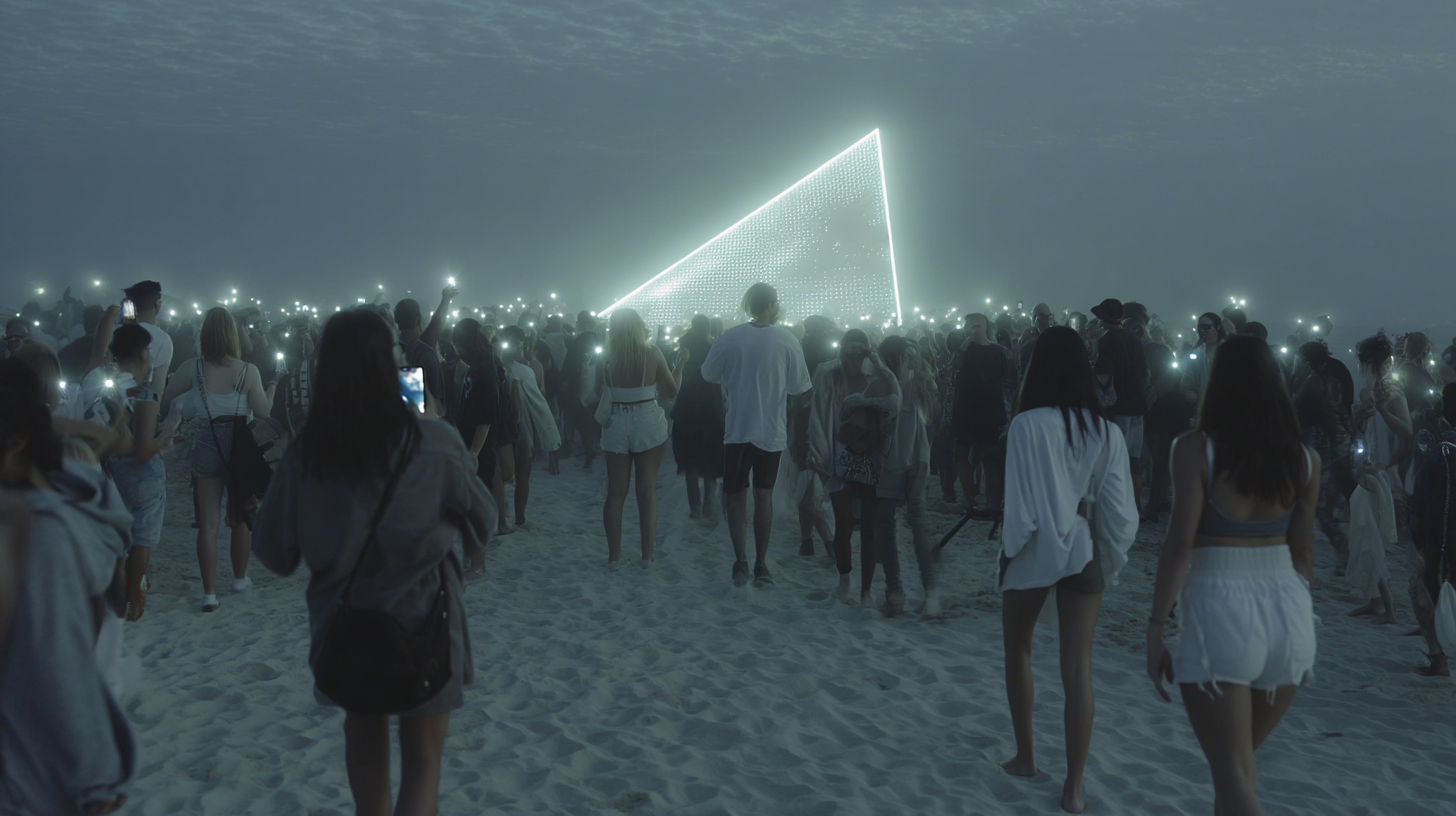
The avatar becomes a proxy body I can send into the crowd to see what the crowd will do.
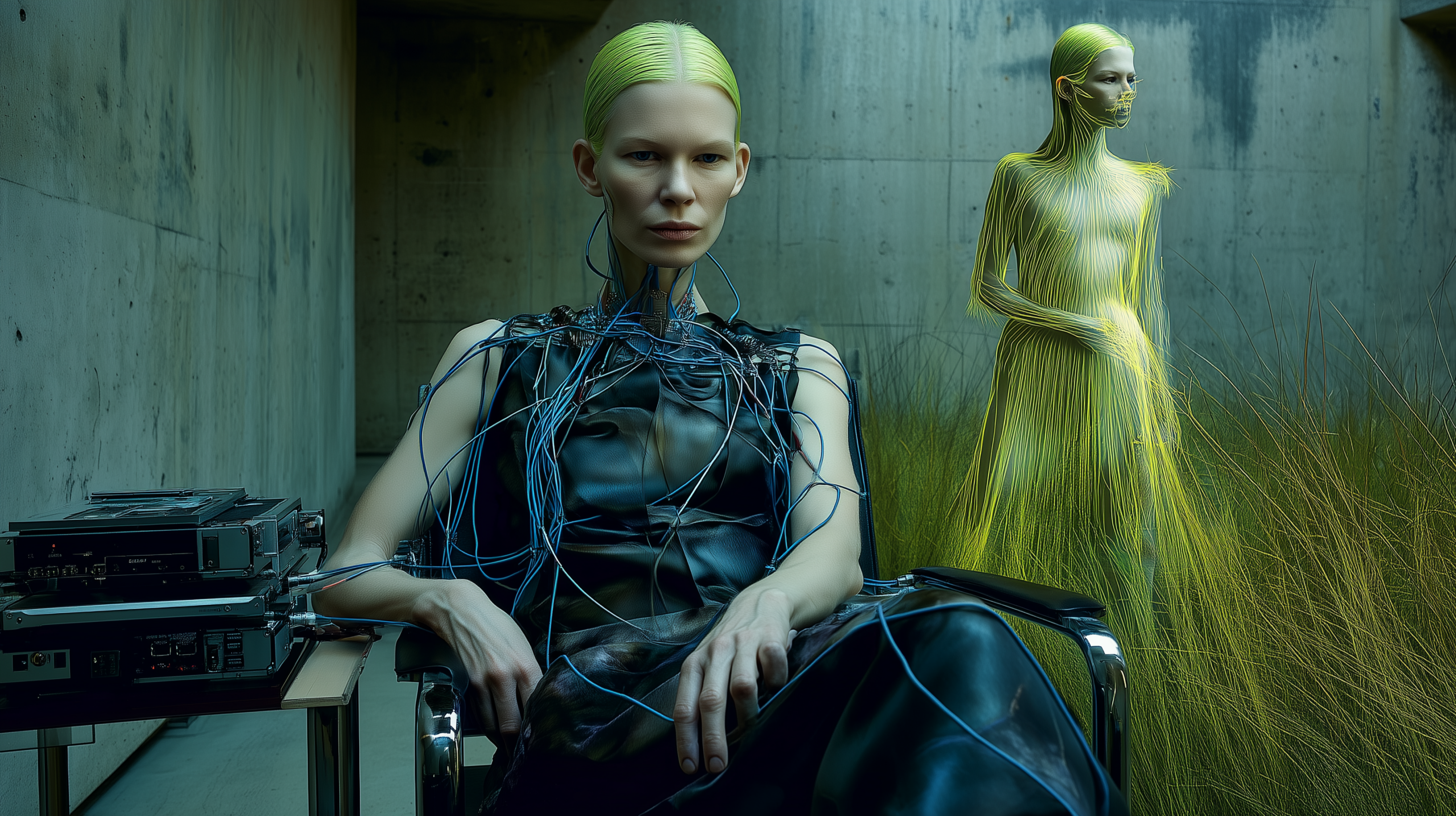
I don’t keep only the most flattering version. I keep the near misses, the errors, the ones that feel too perfect, because they expose the rule set. The avatar becomes a proxy body I can send into the crowd to see what the crowd will do. I watch which versions are treated as credible, which as erotic, which as ridiculous, which as “real,” and I begin to see how quickly a face becomes a social instrument. This is where the work seems to be going: away from self-portraiture as expression and toward a kind of cyber anthropology, a study of how identity gets negotiated between dataset, desire, platform incentives, and audience appetite, and what it costs the human body to keep its signal intact inside that negotiation.


Leave a Reply